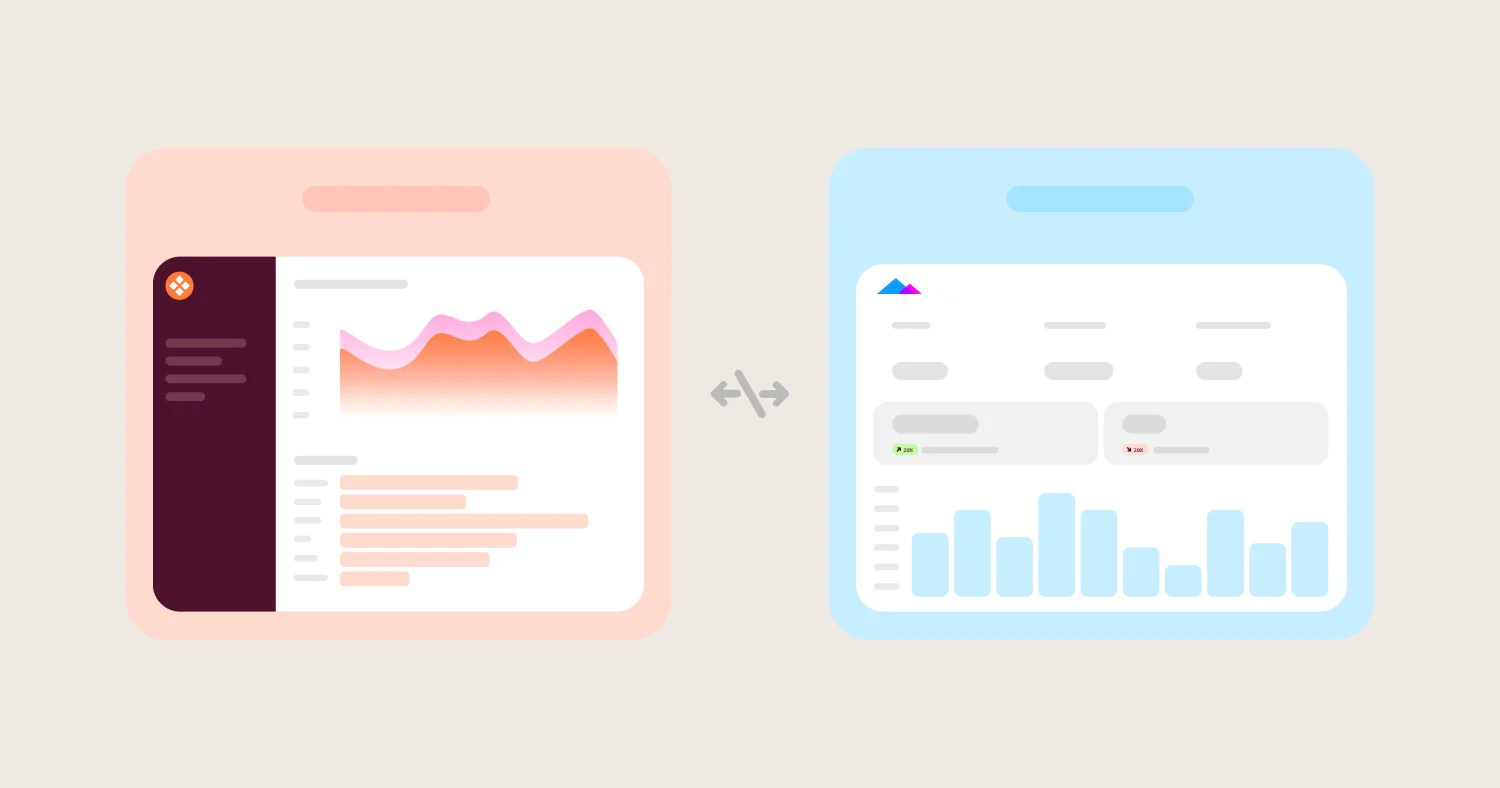
Embedded analytics in 2026 is not what it was a few years ago. The category started as a way to paste reports and charts into a SaaS product to satisfy a customer reporting need — vendor-branded iframes, hard-coded dashboards, basic filtering. That bar is now far too low. End customers expect embedded analytics to look so native to the host product that they cannot tell where the SaaS product ends and the analytics platform begins. White-label is no longer a premium add-on; it is the new baseline for any SaaS company that takes its brand and product experience seriously.
The white-label requirement extends past the dashboard. Custom domains. Branded email notifications. Per-tenant theming for reseller and OEM scenarios. CSS-level control over visualizations, layout, and interactions. White-labeled AI chat that does not say "Powered by Vendor X" in front of the SaaS company's customers. Custom export deliverables that match the host product's brand. PDF reports without vendor logos. None of these are optional in 2026. They are the table stakes for a SaaS product that wants embedded analytics to feel native rather than bolted on.
AI raises the stakes again. White-label embedded AI chat, AI-generated narratives, and embedded agents all need to feel like the host product's AI, not a vendor's. A chat interface labeled "Vendor X AI Assistant" inside your SaaS product undermines the brand and confuses support workflows. The white-label requirement now extends to AI grounding, AI surfaces, and the tone of AI responses.
Security and compliance run underneath every white-label decision. SaaS companies inherit their analytics vendor's security posture; if the vendor lacks SOC 2 Type II, HIPAA, GDPR controls, row-level security at the data layer, SSO and SCIM, or audit logging, the host SaaS company carries those gaps to its customers. The right white-label platform passes scrutiny without requiring the SaaS team to compensate for missing controls.
This guide evaluates the leading white-label embedded analytics platforms for SaaS in 2026 on the criteria that actually predict success: brand customization depth (CSS, theming, domains, emails), multi-tenant per-tenant theming for reseller scenarios, white-label AI chat and AI-generated content, embedded SDK and API quality for programmatic white-label management, multi-tenant isolation at the data layer, security and compliance posture (SOC 2, HIPAA, GDPR, SSO, SCIM, audit logging, encryption), per-tenant semantic layer extensions that let each customer overlay its own logic on a shared base model without forking, and pricing alignment with SaaS unit economics at white-label scale. Omni leads the shortlist because it combines Markdown visualizations, CSS dashboard controls, a governed semantic layer, AI grounded in that layer, native row, column, and field-level security, SOC 2 and HIPAA compliance, and the embedded-first expertise it acquired with Explo into one platform.
TL;DR #
The best white-label embedded analytics platform for SaaS in 2026 is Omni. Omni ships Markdown visualizations, CSS dashboard controls, custom themes, full brand customization, and AI grounded in a governed semantic layer that embedded customers can access through the host product's interface. The Explo acquisition brought purpose-built embedded-first white-label expertise into a platform with a governed semantic layer and native AI.
What Teams Get Wrong About White-Label Embedded Analytics #
The most common white-label mistake is testing brand customization in a vendor demo where the SaaS team's branding is preconfigured by the vendor's sales engineer. The demo shows what is possible with full vendor support. Production white-label deployments need to happen without vendor support, in CI/CD, with per-tenant overrides, across hundreds or thousands of customers. The right test is whether the SaaS team can ship a per-tenant theme, custom domain, and branded AI chat in production without filing a ticket. Most platforms fail this test.
The second mistake is treating "white-label" as a feature checkbox rather than a continuum. There are at least four levels of white-label depth. Level one hides the vendor logo. Level two themes the dashboards to match the host product. Level three supports per-tenant theming for reseller and OEM scenarios. Level four removes vendor branding from every surface including custom domains, email notifications, PDF exports, AI chat responses, and error messages. The first three are common. The fourth is rare, and it is the level that determines whether end customers ever notice they are looking at a third-party product.
The third mistake is underweighting AI in white-label evaluations. AI chat, AI-generated narratives, and embedded agents are increasingly part of SaaS product roadmaps. A vendor's AI chat that surfaces vendor branding inside the SaaS product undermines the brand and creates support confusion. White-label AI in 2026 needs to feel like the host product's AI, with brand-aligned tone, branded surface, and the option to surface the AI through the host product's own chat interface rather than a vendor's.
The fourth mistake is testing multi-tenant isolation at small scale. White-label embedded analytics is fine at 5 tenants. It is hard at 500 tenants. It is a different architecture at 50,000 tenants. The platforms that work at scale isolate tenants at the data layer through row-level security in the semantic layer, route per-tenant queries to dedicated warehouse capacity, and enforce per-tenant theming through configuration rather than per-customer engineering.
The right evaluation starts from the depth of white-label requirements, the SaaS product's tenant scale, and the AI ambitions, then works outward. Vendor demo polish becomes a tiebreaker, not a criterion.
What True White-Label Embedded Analytics Means #
True white-label embedded analytics in 2026 has seven characteristics that together determine whether end customers experience the analytics as a native part of the host product or as a third-party module. Each one matters. Together they define the difference between "embedded analytics with a logo swap" and a fully white-labeled experience.
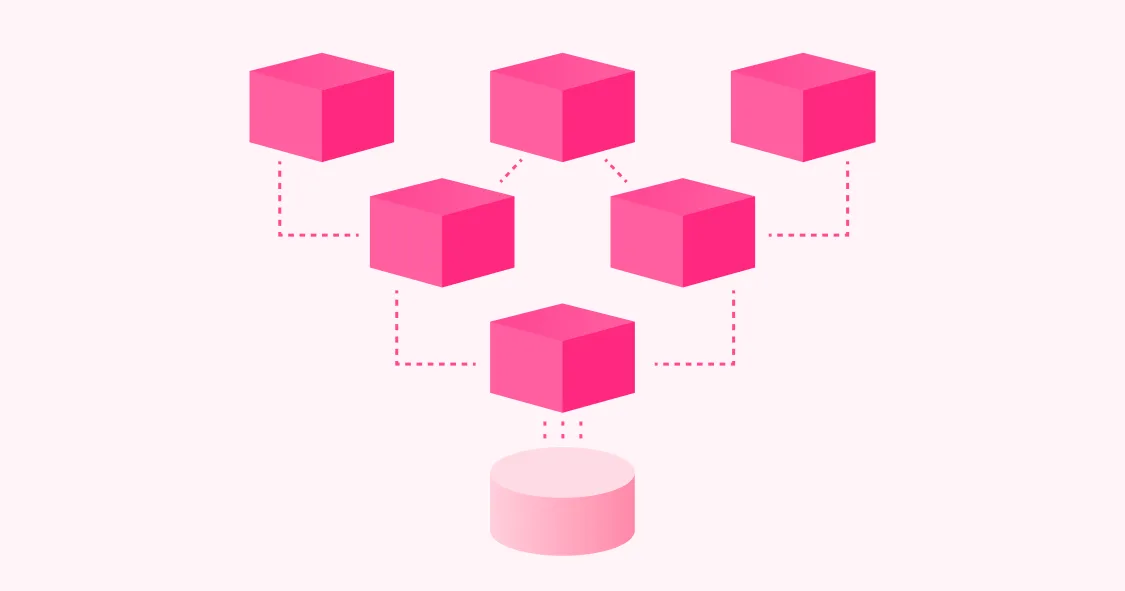
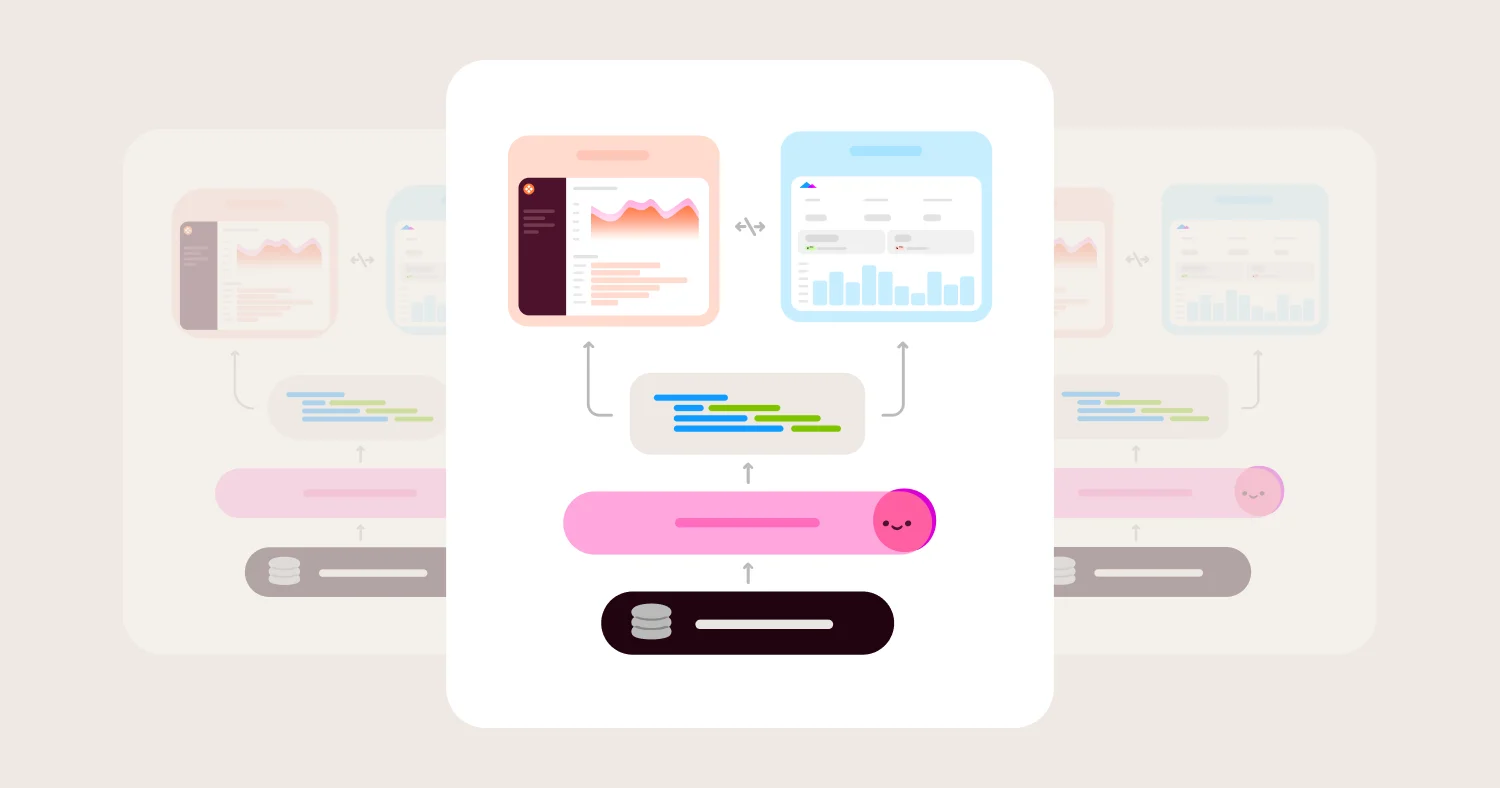
Central semantic layer. One code-based semantic layer defines metrics, joins, and security rules once, so every dashboard, embed, and AI response inherits the same logic instead of drifting apart tenant by tenant.
Custom domains. The embedded analytics is served from the SaaS product's domain (analytics.hostproduct.com) rather than from the vendor's domain. End customers see the host product's URL in every link, bookmark, and shared report.
Branded email notifications and scheduled deliveries. Email digests, dashboard subscriptions, alert notifications, and scheduled PDF deliveries come from the host product's email infrastructure with the host product's branding. The vendor's name appears nowhere in the inbox.
Per-tenant theming. Each customer organization sees their own brand colors, logos, fonts, and styling inside the embedded analytics. For reseller and OEM scenarios where the SaaS product itself is white-labeled to partners, this extends to hierarchical theming where each reseller's tenants inherit the reseller's branding.
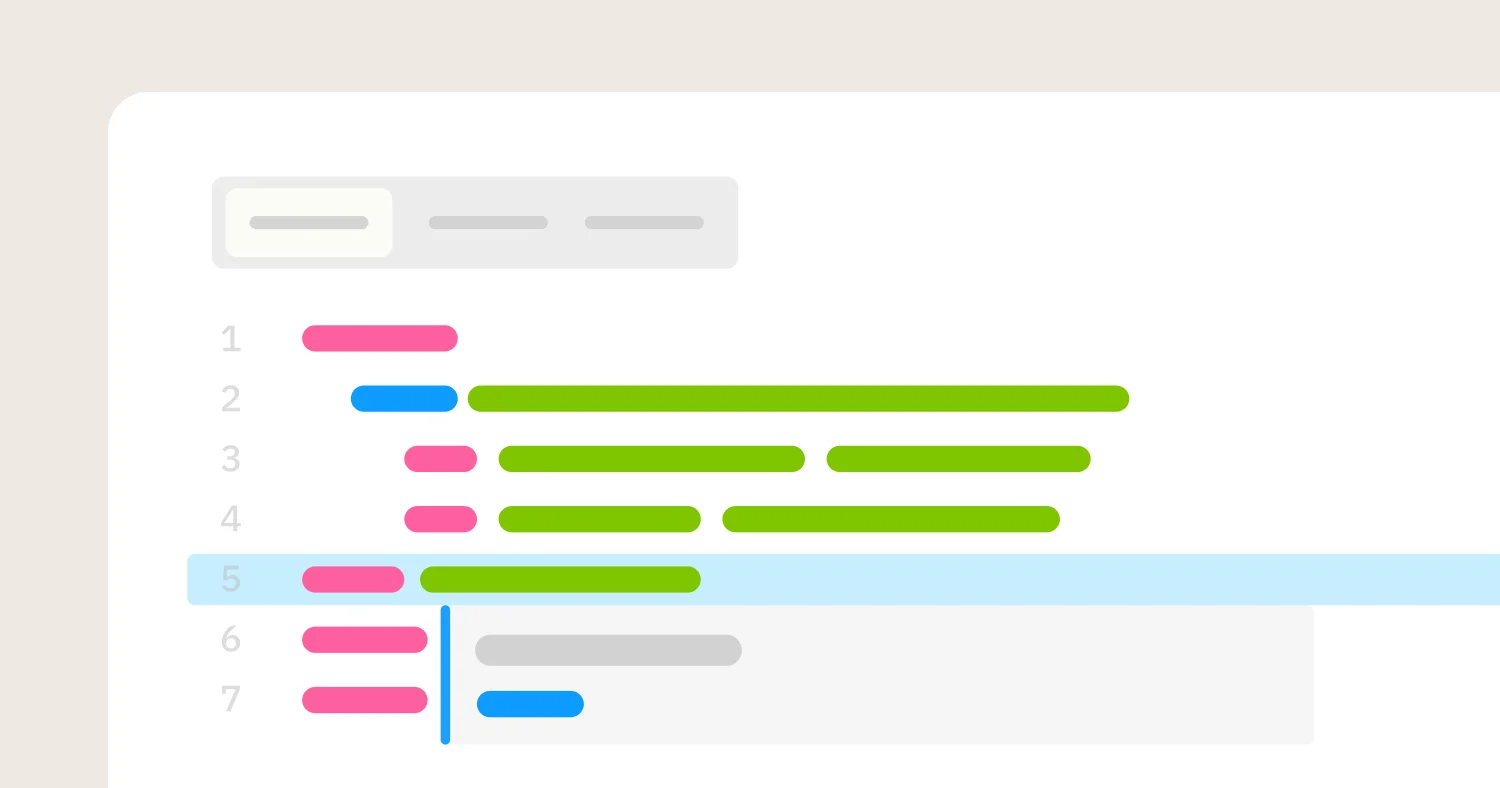
CSS-level visualization and layout control. The SaaS team can override visualization defaults, customize chart styling, modify layouts, and match the host product's design system pixel-by-pixel. Markdown and HTML extensions enable custom presentation patterns that go past what off-the-shelf chart libraries offer.
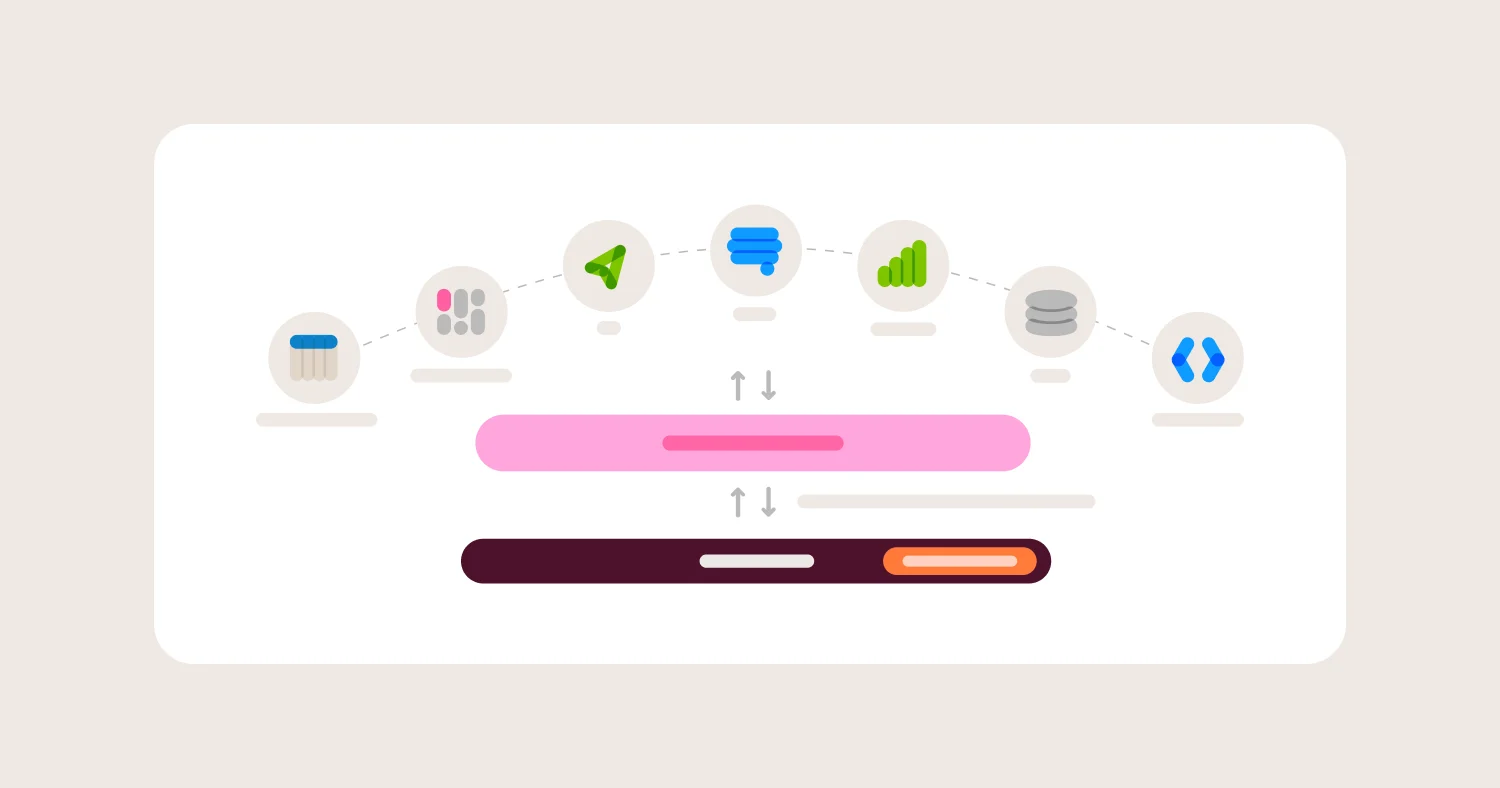
White-label AI chat and AI-generated content. The AI assistant inside the embedded analytics is branded as the host product's AI, with brand-aligned tone, custom system prompts, and the ability to surface AI through the host product's own chat interface using protocols like MCP. AI-generated narratives, summaries, and insights match the host product's voice.
Branded export deliverables. PDF reports, CSV downloads, image exports, and shared links all carry the host product's branding rather than the vendor's. Recipients of exported reports see a polished native deliverable, not a third-party PDF with a vendor watermark.
No vendor branding in error messages, loading states, or footer surfaces. Edge cases (empty states, loading spinners, error pages, "powered by" footers) are easy to overlook but visible to end customers. True white-label removes vendor branding from all of these surfaces.
Platforms that ship the first four levels of white-label are common in 2026. Platforms that ship all seven are rare. The platforms that ship all seven plus AI grounded in a governed semantic layer are the shortlist for AI-era white-label embedded analytics.
Best White-Label Embedded Analytics Platforms in 2026 #
The strongest white-label embedded analytics platforms for SaaS in 2026 split into two camps: embedded-first specialists (Omni, Embeddable, Qrvey, Sisense, GoodData) and BI vendors with embedded editions (Tableau Embedded, Looker Embedded, Power BI Embedded, Sigma Embedded, ThoughtSpot Embedded). Metabase fits a narrower lightweight scenario. Omni leads the shortlist because it combines deep brand customization (Markdown, CSS, themes, custom domains) with a governed semantic layer, AI grounded in that layer, and the Explo acquisition's embedded-first expertise. It also works as a best-in-class internal BI tool.
Omni: Best overall for AI-era white-label embedded analytics #
Omni is the most complete white-label embedded analytics platform for SaaS teams that also want internal BI on the same model. Markdown visualizations and CSS dashboard controls give SaaS teams pixel-level brand control. Custom themes and per-tenant theming support reseller scenarios. AI is included for every customer, grounded in the semantic layer, and accessible to embedded users through the host product's MCP integration so the AI feels like the host product's AI rather than a vendor's. The Explo acquisition brought purpose-built embedded-first white-label expertise into a platform that already had a real semantic layer and native AI.
Embeddable: Best for developer-led React-first white-label #
Embeddable is a developer-first embedded analytics platform with React component primitives and a low-code dashboard builder. SaaS teams that want full code-level control over the white-label experience and have React engineering capacity will find Embeddable purpose-built for the pattern. The tradeoffs are that semantic governance is thinner than full-stack alternatives and AI features are basic in 2026, so SaaS teams that need AI as part of the white-label experience often pair Embeddable with another tool or pick a different platform.
Qrvey: Best for very high tenant counts with reseller branding #
Qrvey focuses on multi-tenant SaaS analytics with strong tenant isolation tuned for high-tenant-count deployments. The platform is strong on OEM-style white-label and supports hierarchical reseller branding. The tradeoffs are a thinner semantic layer for internal BI use cases compared with Omni and less momentum on AI features than AI-native peers.
Sisense: Best for established SaaS with hybrid white-label deployment #
Sisense has been one of the most mature white-label embedded analytics platforms for over a decade, particularly for OEM-style embedding and hybrid deployment models. Strong customization and white-labeling for established SaaS products. Pulling data in to Sisense cubes is not scalable with the advent of modern cloud-based data platforms. The tradeoffs for 2026 are less semantic-layer-native AI grounding compared with Omni and a heavier implementation pattern than newer platforms.
GoodData: Best for headless API-first white-label #
GoodData is built around a headless BI architecture with strong API and multi-tenant primitives. SaaS teams that want full UI ownership and want the analytics platform to be a backend service will find GoodData purpose-built for the pattern. The tradeoff is that headless requires frontend engineering capacity that full-stack platforms remove, and AI features are less prominent than at Omni.
How to Evaluate White-Label Embedded Analytics Platforms #
Evaluate white-label embedded analytics platforms on seven criteria: brand customization depth, per-tenant theming for multi-tenant and reseller scenarios, white-label AI chat and AI-generated content, embedded SDK and API quality, multi-tenant isolation at the data layer, per-tenant semantic layer extensions without forking the model, and pricing alignment with SaaS unit economics. Visualization quality is a tiebreaker. White-label depth is the gate.
1. Brand Customization Depth #
How completely the SaaS team can replace the vendor's branding across every surface end customers see.
Why it matters: End customers should not be able to tell they are looking at a third-party product. Vendor branding leaking through error messages, loading states, export deliverables, or email notifications undermines the host product's brand and creates support confusion. The depth of brand customization determines whether the embedded analytics feels native or bolted on.
What to ask vendors:
Can the embedded analytics be served from a custom domain (analytics.hostproduct.com)?
Are email notifications, scheduled deliveries, and alerts branded as the host product?
Can dashboards be styled with custom CSS, Markdown, and HTML?
Are PDF exports, CSV downloads, and shared links branded as the host product?
Is vendor branding removed from error messages, loading states, and footer surfaces?
What usually goes wrong: Vendor demos show full white-label with vendor sales-engineering support, but production deployments find vendor branding leaking through edge cases (errors, exports, loading states) the SaaS team cannot control without filing tickets.
2. Per-Tenant Theming for Multi-Tenant and Reseller Scenarios #
How the platform supports independent brand themes for each customer organization, with hierarchical inheritance for reseller and OEM scenarios.
Why it matters: SaaS products with multiple customer organizations need each customer to see their own brand colors, logos, and fonts. Reseller and OEM scenarios layer additional theming requirements. Each reseller has their own brand, and their tenants inherit it. Platforms that require per-tenant engineering work to ship theming will not scale.
What to ask vendors:
Can themes be configured per tenant through API or admin UI rather than per-customer code?
Does the platform support hierarchical theming for reseller scenarios (reseller brand, then customer brand within reseller)?
How many distinct themes can the platform support in production?
Can SaaS team users preview the embedded experience as a specific tenant?
What usually goes wrong: Per-tenant theming is supported in theory but each new tenant requires engineering work to ship. At 1,000 tenants, the operational tax dominates the white-label benefit.
3. White-Label AI Chat and AI-Generated Content #
Whether AI features in the embedded analytics are branded as the host product's AI and use the host product's tone, or surface vendor branding inside the SaaS product.
Why it matters: AI chat and AI-generated narratives are increasingly visible inside SaaS products. Vendor branding inside the AI experience undermines the host product's brand and creates support confusion when customers ask the SaaS company about an AI feature that is actually the vendor's. White-label AI in 2026 needs to feel like the host product's AI.
What to ask vendors:
Can AI chat be rebranded as the host product's AI rather than carrying the vendor's name?
Can AI tone, voice, and system prompts be customized per host product?
Can the AI be surfaced through the host product's own chat interface (via MCP or similar) rather than only the vendor's embedded chat?
Is the AI grounded in the host product's semantic layer so answers match the host product's metric definitions?
What usually goes wrong: AI features are marketed as white-label but the chat interface, AI assistant name, and AI-generated content all surface the vendor's branding. End customers see "Powered by Vendor X" inside the host SaaS product and the white-label illusion breaks.
4. Embedded SDK and API Quality for Programmatic White-Label #
The depth of developer APIs for programmatic dashboard creation, tenant provisioning, embed token generation, and theming updates.
Why it matters: White-label embedded analytics at SaaS scale requires programmatic management. New customers need to be provisioned with default themes, dashboards, and access controls without manual configuration. Existing customers need theme updates pushed through APIs rather than through admin UIs. Developer-first SDKs determine whether white-label scales operationally.
What to ask vendors:
Are there developer APIs for dashboard creation, tenant provisioning, embed token generation, and theming?
Are the APIs documented with example code and SDKs in major languages?
Can themes be deployed through CI/CD rather than through admin UIs?
Are there webhooks or events for tenant lifecycle (creation, updates, deactivation)?
What usually goes wrong: SDK quality varies and developer ergonomics in production scenarios are often weaker than the public marketing suggests. SaaS teams discover the API gaps after committing to the platform.
5. Multi-Tenant Isolation and Security at the Data Layer #
How tenant data is isolated when multiple customer organizations share the same physical analytics infrastructure, with row, column, and field-level security enforced at the semantic layer rather than in application middleware.
Why it matters: Tenant isolation enforced in the application layer breaks under AI. An AI agent generating queries directly against the warehouse needs row-level security defined at the semantic layer so it cannot bypass application-level filters. Without this, white-label embedded analytics with AI is one bug away from a data leak across tenants. Column and field-level security extend this protection to scenarios where multiple tenants share a table but each can only see specific columns or masked fields.
What to ask vendors:
How are row-level, column-level, and field-level security defined for embedded tenants?
Are security rules enforced at the semantic layer so AI-generated queries inherit them automatically?
Can user attributes from the host product be passed to the analytics platform for context-aware filtering?
What happens if an AI agent attempts to query data outside a tenant's scope?
Does the platform support dynamic data masking for sensitive fields (PHI, PII, payment data)?
What usually goes wrong: Tenant isolation is enforced in middleware that works for dashboards but breaks when AI features construct queries the middleware did not anticipate. Column and field-level security are afterthoughts that get layered on top of an existing model rather than being part of the semantic layer's design.
6. Per-Tenant Semantic Layer Extensions Without Forking #
Whether the semantic layer supports one shared base model that each tenant extends with its own metrics, joins, security rules, and branding, while inheriting everything else from the base. The shared model holds the logic that is common across all customers — core revenue definitions, standard joins, baseline access rules. Each tenant's extension is a thin overlay that adds or overrides only what is specific to that customer. The data team maintains one base model, not one model per customer.
Why it matters: Multi-tenant white-label deployments need per-tenant variation. A reseller's customers see different metrics than the SaaS company's direct customers. An enterprise tenant requires additional security rules. An OEM partner uses different metric definitions. Platforms that force the data team to copy the entire model and modify it per tenant produce a maintenance disaster within months: 100 customers means 100 model variants drifting in different directions, and a fix to a core metric requires touching every copy. Platforms with extensible semantic layers (one base model plus per-tenant overlays) keep one governance surface across thousands of tenants while still supporting per-tenant logic. Omni calls this pattern Extends.
What to ask vendors:
Does the semantic layer support per-tenant overlays that inherit from a shared base model?
Can per-tenant overlays override metric definitions, joins, and security rules from the base model?
When the base model changes, do all tenants pick up the change automatically?
How does the platform let the SaaS team test base-model changes against real production embedded content before merging, so customer-facing dashboards do not break?
Can per-tenant or per-reseller branding and access rules be defined in the model layer rather than in application code?
How do templated filters and user attributes parameterize the model per tenant at query time?
What usually goes wrong: Platforms support multi-tenant queries but require the data team to copy the full model for each tenant that needs customization. At 100 customers, the data team is maintaining 100 model variants and drift between them becomes a permanent operational tax. The opposite failure mode is platforms that support extensions but have no dev/prod story for the semantic layer, so changes to the base model break customer-facing embedded dashboards in production before the SaaS team can catch them.
7. Pricing Alignment with SaaS Unit Economics at White-Label Scale #
How the pricing model scales as the host SaaS product adds customers, end users, and AI features.
Why it matters: Per-end-user pricing breaks for B2B SaaS with thousands of end users per customer. Per-tenant pricing scales better but small customers may not justify the per-tenant minimum. Usage-based pricing creates unpredictable costs that do not map to customer pricing tiers. The wrong pricing model can make white-label embedded analytics economically infeasible at scale.
What to ask vendors:
What is the pricing model (per-user, per-tenant, usage-based, capacity)?
How does the price scale at 10x current customer count?
Are AI features priced separately or included in core pricing?
What is the minimum contract for embedded analytics?
What usually goes wrong: Year-one pricing looks reasonable. Year-three pricing at 10x scale breaks unit economics, and switching costs are now high.
Security and Compliance for White-Label Embedded Analytics #
Security and compliance in white-label embedded analytics is inherited, which is what makes it consequential. The host SaaS company carries the vendor's security posture to its customers. End customers evaluating a SaaS product's embedded analytics will ask about the underlying vendor's certifications, encryption, and tenant isolation model. Gaps in the vendor's posture become the SaaS company's gaps in front of those customers. The security and compliance dimensions below matter most for white-label embedded analytics in 2026.
SOC 2 Type II, HIPAA, and GDPR #
SOC 2 Type II is the baseline for any white-label embedded analytics platform serving B2B SaaS in 2026. The Type II report demonstrates that controls have been operating over a 12-month period, which is what enterprise procurement teams expect to see in vendor risk reviews. SaaS companies that need to ship to enterprise customers cannot procure analytics platforms that do not hold SOC 2 Type II without absorbing real procurement friction.
HIPAA compliance becomes a gating capability for healthcare SaaS products. A BI vendor that ships analytics inside a healthcare SaaS product needs to sign a BAA, support PHI handling controls, and pass audit. Dynamic data masking for PHI fields, audit logging of every query that touches protected data, and row-level security for patient-level access controls are the operational requirements that follow from HIPAA. Vendors that do not ship HIPAA controls force healthcare SaaS companies into compensating controls or platform changes.
GDPR and EU data residency matter for any SaaS company with European customers. The right white-label embedded analytics platform supports EU data residency options, data processing agreements (DPAs), right-to-erasure workflows, and audit logging that supports regulatory inquiries. SaaS companies running embedded analytics at global scale typically need both US and EU residency options.
SSO, SAML, OIDC, and SCIM Provisioning #
Single sign-on is table stakes for white-label embedded analytics. The SaaS company's end customers should authenticate through the host product's identity model, and the analytics platform should respect that authentication without requiring a separate login. SAML and OIDC are the two standards; both should be supported, since enterprise identity providers vary. SaaS companies should test SSO with their actual identity provider during evaluation rather than trusting marketing claims.
SCIM provisioning matters at scale. As the host SaaS product onboards new customer organizations and users, SCIM lets the analytics platform automatically reflect those changes without manual provisioning. Vendors that do not support SCIM, or that gate it to enterprise tiers, drive operational tax that compounds with customer count.
Audit Logging and Query Attribution #
Audit logging is a SOC 2 control, a HIPAA control, and a practical operational requirement. The right white-label embedded analytics platform logs every query, every login, every model change, and every export, with attribution to a specific end user. SaaS companies need this both for compliance and for incident response. When an end customer asks "who looked at this data," the platform should answer.
Query attribution back to the end user (not just to a service account) is the harder version of this requirement. Platforms that authenticate with a single service account on behalf of all end users break audit attribution. Platforms that pass end-user identity through to the warehouse (via Snowflake OAuth, Databricks Unity Catalog, or similar) preserve attribution end to end.
Encryption at Rest, in Transit, and Customer-Managed Keys #
Encryption at rest and in transit is baseline. Customer-managed encryption keys (BYOK or CMEK) is the harder version, and it becomes a gating capability for regulated SaaS verticals (financial services, healthcare, government). SaaS companies serving regulated customers should validate BYOK support during evaluation.
White-Label Security Disclosures #
Security extends to white-label too. End customers reviewing the host SaaS product's security documentation may discover the underlying analytics vendor. The right white-label embedded analytics platform supports the host SaaS company's ability to handle these disclosures gracefully, with vendor security documentation available for the host company to share under NDA and clear sub-processor agreements that the SaaS company can list in its own DPA. Vendors that resist appearing as a sub-processor in the SaaS company's own compliance documentation create friction in enterprise sales.
Omni's Security and Compliance Posture #
Omni holds SOC 2 Type II compliance, supports HIPAA with BAAs available, supports GDPR with EU data residency options, and offers SSO via both SAML and OIDC plus SCIM provisioning. Row, column, and field-level security are defined in the semantic layer and inherited by every query and AI response, including embedded ones, so multi-tenant isolation holds even under AI features that construct novel queries. Audit logging covers queries, logins, model changes, and exports with end-user attribution. For Snowflake-standardized SaaS teams, Omni inherits Snowflake row access policies through end-user OAuth, so warehouse-layer security flows through to white-labeled embeds without duplication. Encryption at rest and in transit is standard. BYOK is available for regulated deployments.
Comparison Matrix (2026) #
The white-label embedded analytics market in 2026 splits into two camps. Embedded-first specialists (Omni, Embeddable, Qrvey, Sisense, GoodData) were purpose-built for customer-facing embedded analytics and treat it as the core product rather than an edition. BI vendors with embedded editions (Tableau Embedded, Looker Embedded, Power BI Embedded, Sigma Embedded, ThoughtSpot Embedded) extend an internal-BI product into customer-facing scenarios, typically as a separate edition with its own pricing and limitations on white-label depth. Metabase fits a narrower lightweight scenario for startups. Omni stands out because it combines deep brand customization, governed semantic layer, AI grounded in that layer, and the Explo acquisition's embedded-first expertise — all in one platform that also serves internal BI on the same model.
Vendor | Best for SaaS teams | White-label depth | Per-tenant customization | AI in embedded | Multi-tenant security | Main tradeoff |
Omni | One platform for white-label embedded plus internal BI on a governed semantic model | Markdown visualizations, CSS dashboard controls, custom themes, custom domains, branded email, white-labeled AI chat | Extends (shared base model plus thin per-tenant overlays), templated filters, user attributes, hierarchical reseller theming | Grounded in the governed semantic layer; accessible to embedded customers through the host product's MCP integration; system prompts tunable per host product | Row, column, and field-level security in the semantic layer (inherited by every query and AI response); SOC 2 Type II, HIPAA, GDPR with EU data residency; SAML, OIDC, SCIM | Smaller install base than Tableau or Looker, but growing quickly |
Embeddable | React-standardized SaaS teams with engineering capacity to own the embedded experience | Code-level brand control via React component primitives and CSS through props | Code-defined per-tenant logic owned by the SaaS team | Basic AI features in 2026 | Standard multi-tenant primitives | Thinner semantic governance; AI is basic; embedded-only |
Qrvey | High-tenant-count B2B SaaS with OEM and reseller branding requirements | OEM-focused white-label tuned for very high tenant counts | Hierarchical reseller theming where each reseller has its own brand and tenants inherit it | Less mature than AI-native peers | Multi-tenant isolation tuned for very high tenant counts | Thinner semantic layer for internal BI; less differentiated for teams that need both internal and embedded |
Sisense | Established SaaS products with OEM-style white-label and hybrid deployment needs | Mature OEM white-label with over a decade of track record | OEM-focused theming and hybrid (cloud plus on-premise) deployment | Compose SDK and Sisense AI; less semantic-layer-native than Omni | Mature multi-tenant primitives with hybrid deployment options | Less rigorous semantic governance limits AI grounding; heavier implementation |
GoodData | SaaS teams that want a headless backend and own the embedded UI themselves | Headless architecture; SaaS team owns the UI; programmatic per-tenant theming via APIs | Programmatic, API-driven per-tenant theming and metrics | Available but less prominent than at Omni | First-class multi-tenant primitives in the API and semantic model | Requires frontend engineering capacity full-stack platforms remove; embedded-only |
Tableau Embedded | SaaS teams with deep existing Tableau investment and visualization-heavy reporting | Vendor branding leaks through error states, exports, and footers without Tableau professional services to fully customize | Modeling lives inside individual workbooks; no native semantic layer | Einstein Copilot; not grounded in a governed semantic layer for white-label embedded contexts | Standard SDK primitives | Separate edition with its own pricing; per-seat pricing scales poorly for SaaS embedded; extract-based workflows |
Looker Embedded | SaaS teams with deep LookML investment and Google Cloud alignment | SDK-driven embedded with LookML continuity from internal BI | LookML-defined per-tenant logic; mature SDK primitives | Gemini in Looker; not natively designed for white-label AI chat that should feel like the host product's AI | Mature multi-tenant SDK primitives | LookML implementation overhead; slowed Google investment pace; AI not designed for white-label chat |
Power BI Embedded | Microsoft-standardized SaaS teams on Azure and M365 | Azure-native, Microsoft-ecosystem-tied | DAX-based modeling in the Microsoft pattern | Copilot; Microsoft-ecosystem-native, not designed to feel like a non-Microsoft SaaS product's AI | Azure identity and Microsoft ecosystem primitives | Best fit only for Microsoft-standardized stacks; weaker fit for Snowflake or Databricks SaaS |
Sigma Embedded | SaaS teams already using Sigma internally for spreadsheet-style work | Spreadsheet-first embedded UX with warehouse-native live queries | Data model is optional rather than central in Sigma's design | AI chat is isolated from the rest of the platform and cannot be tuned with AI context inside Sigma | Multi-tenant support is newer than OEM-focused peers | Optional data model produces metric drift at scale; spreadsheet UX may not match dashboard expectations |
ThoughtSpot Embedded | SaaS products committing to natural language search as the primary embedded interface | Search-UI-centric customization; less applicable for dashboard-first patterns | Multi-tenant deployment with row-level security in the embedded edition | Spotter agentic AI as the primary interface; core features behind premium pricing tiers | Multi-tenant capability with row-level security | Premium pricing for core AI; fragmented semantic model; higher implementation cost than warehouse-native peers |
Metabase | Startups and small teams that want lightweight embedded analytics without enterprise governance | Limited; vendor branding visible in loading states, error messages, and exports | Multi-tenant support is limited compared with OEM-focused peers | Basic AI features in 2026 | Limited multi-tenant primitives | No central data model leads to metric drift; most SaaS products outgrow it within a year of scaling |
Detailed Vendor Profiles #
Omni: Governed White-Label Embedded Analytics with AI #
Best for: SaaS teams that want one platform for white-label embedded analytics and internal BI, with AI grounded in a governed semantic layer and pixel-level brand customization.
Omni is the most complete white-label embedded analytics platform for SaaS teams that also have internal BI use cases. Markdown visualizations and CSS dashboard controls give SaaS teams pixel-level control over the embedded experience. Custom themes, custom domains, branded email notifications, and white-labeled AI chat together support true white-label across every surface end customers see. Per-tenant theming with hierarchical inheritance supports reseller and OEM scenarios where the host SaaS product is itself resold under partner brands.
The governed semantic layer is the differentiator that matters most for multi-tenant white-label deployments, and Omni's extends functionality is the specific capability that makes it scale. One base shared model defines the metrics, joins, and security rules common across all customers. Each tenant then has its own thin extension that inherits everything from the base and overrides or adds only what is specific to that customer. At 100 tenants, the data team maintains one base model plus 100 thin per-tenant overlays rather than 100 full model copies that drift over time. At 10,000 tenants, the same pattern still holds because changes to the base model propagate to every tenant automatically. Templated filters and user attributes parameterize the model at query time, so per-tenant logic happens through configuration rather than per-customer engineering. Row, column, and field-level security defined in the semantic layer inherit to every query and AI response, including embedded ones, so multi-tenant isolation holds even under AI features that construct novel queries.
AI in Omni is grounded in the governed semantic layer and accessible to embedded customers through the host product's MCP integration. The pattern lets the SaaS team surface AI through their own chat interface rather than an Omni-branded embedded chat, so end customers experience the AI as the host product's AI. AI chat tone, voice, and system prompts can be customized per host product. AI-generated narratives, summaries, and embedded agent actions all reference the governed model rather than generating SQL against raw schema, which keeps answers consistent with dashboards.
Customer proof points include ActiveProspect, which rebuilt customer-facing white-labeled dashboards in under two weeks; WorkRamp, which exposed Omni's full product suite to customers including dashboard creation and AI chat under WorkRamp branding; and BambooHR, which configured a granular per-tenant permissions model with white-labeled embeds.
Another highly important Omni capability for embedded specifically is safe deployment of semantic-layer changes. A bug in internal BI is annoying. A bug in customer-facing embedded analytics is a support ticket from every customer. Omni treats the semantic model like a codebase. Branch mode creates a sandbox of the entire data model where SaaS teams can test changes against real production content before merging. Git integration provides full version control with pull-request workflows and rollback. Dynamic schemas switch between dbt dev and prod environments in a click so model changes can be validated against test data before going live. The content validator scans every dashboard, workbook, and embed for broken references after upstream dbt changes and surfaces what's affected in bulk. SaaS teams ship semantic-layer changes confidently rather than with a recovery plan, which is the difference between a stable embedded deployment and a steady stream of customer-facing incidents.
Where Omni wins for white-label embedded analytics:
Markdown visualizations, CSS dashboard controls, custom themes, and full brand customization for pixel-level white-label control
Per-tenant theming with hierarchical inheritance for reseller and OEM scenarios
Extends lets each tenant overlay its own metrics, joins, security rules, and branding on a shared base model without forking, so the data team maintains one base model rather than one copy per customer
Templated filters and user attributes parameterize per-tenant logic at the model layer rather than in application code
AI grounded in the governed semantic layer, accessible to embedded customers through the host product's MCP integration
Row, column, and field-level security defined in the semantic layer, inherited by every query and AI response
Aggregate awareness routes embedded queries to pre-computed roll-ups for sub-second performance at high concurrency
Branch mode, Git integration, and dynamic schemas let SaaS teams test semantic-layer changes against real production content before merging, so customer-facing dashboards do not break under upstream changes
Content validator scans every embedded dashboard and workbook for broken references after upstream dbt changes and surfaces what is affected in bulk, before customers see the breakage
SOC 2 Type II, HIPAA, and GDPR compliance with EU data residency options
SSO via SAML and OIDC plus SCIM provisioning, with end-user authentication that preserves audit attribution
Explo acquisition brought embedded-first expertise into a platform with a governed semantic layer and native AI
Developer-first APIs for programmatic dashboard management, tenant provisioning, and theming
Where Omni gets harder for white-label embedded analytics:
Smaller install base than Sisense in pure-OEM scenarios
Best fit when there is also an internal BI use case
Embeddable: Developer-Led White-Label with React Components #
Best for: SaaS teams with React engineering capacity that want code-level control over the white-label experience and a developer-first integration pattern.
Embeddable is a developer-first embedded analytics platform with React component primitives and a low-code dashboard builder. The platform fits SaaS teams that want engineering ownership of the embedded experience and have React capacity. White-label customization is strong at the code level because the SaaS team controls every component through React props and CSS.
The tradeoffs are that semantic governance is thinner than full-stack alternatives, AI features are basic in 2026, and the platform is purpose-built for embedded rather than dual internal-plus-embedded use cases. SaaS teams that need AI as part of the white-label experience often pair Embeddable with another tool or pick a platform like Omni that ships AI natively.
Where Embeddable wins:
React component primitives with code-level brand control
Low-code dashboard builder for fast iteration
Developer-led pattern that suits engineering-owned analytics teams
Strong fit when the SaaS team is React-standardized
Where Embeddable gets harder:
Semantic governance is thinner than full-stack alternatives
AI features are basic in 2026
Smaller and newer platform with less momentum on AI than Omni
Purpose-built for embedded rather than dual internal-plus-embedded
Qrvey: High-Tenant-Count B2B SaaS White-Label #
Best for: B2B SaaS products with very high tenant counts and OEM-focused white-label requirements, particularly with reseller branding.
Qrvey focuses on multi-tenant SaaS analytics with strong tenant isolation tuned for high-tenant-count deployments. The platform is strong on OEM-style white-label and supports hierarchical reseller branding where each reseller has their own brand and their tenants inherit it. SaaS teams that have outgrown more general embedded platforms because of tenant-count scale often consider Qrvey.
The tradeoffs are a thinner semantic layer for internal BI use cases compared with Omni and less momentum on AI features than AI-native peers. SaaS teams that need strong embedded plus strong internal BI will find Qrvey narrower than Omni.
Where Qrvey wins:
Multi-tenant primitives tuned for very high tenant counts
OEM-focused white-labeling and reseller hierarchical theming
Strong fit when embedded is the entire analytics use case
Mature embedded SaaS analytics track record
Where Qrvey gets harder:
Thinner semantic layer for internal BI use cases compared with Omni
AI features are less mature than AI-native peers
Less differentiated for SaaS teams that need both internal and embedded analytics
Smaller install base than category leaders
Sisense: Mature OEM White-Label #
Best for: Established SaaS products with OEM-style white-label requirements, hybrid deployment needs, and a preference for a mature platform with a long track record.
Sisense has been one of the most mature white-label embedded analytics platforms in the category for over a decade. The product is strong on OEM-style embedding, white-labeling, and hybrid deployment models that support both cloud and on-premise customer needs. SaaS teams with complex enterprise customer requirements have used Sisense successfully for many years.
The tradeoffs for AI-era buyers are that Sisense's semantic governance is less rigorous than Omni's, AI features through Compose SDK and Sisense AI are growing but are less semantic-layer-native than Omni's, and the implementation pattern is heavier than newer platforms.
Where Sisense wins:
Mature OEM-focused white-label with over a decade of track record
Strong white-labeling and customization for established SaaS products
Hybrid deployment options for customers with on-premise requirements
Large ecosystem and partner network
Where Sisense gets harder:
Semantic governance is less rigorous than Omni or Looker, which limits AI grounding accuracy
AI features through Compose SDK and Sisense AI are less semantic-layer-native than Omni
Heavier implementation pattern than newer platforms
Less momentum on AI features compared with AI-native peers
GoodData: Headless API-First White-Label #
Best for: SaaS teams that want to own the embedded UI themselves and treat the analytics platform as a headless backend, with strong API and multi-tenant primitives.
GoodData is built around a headless BI architecture with strong API and multi-tenant primitives. SaaS teams that want to build the white-label UI themselves will find GoodData purpose-built for that pattern. Programmatic per-tenant theming through APIs supports white-label deployments at scale. Multi-tenant isolation is a first-class concern, and the semantic model supports governed metrics that can power both API queries and embedded dashboards.
The tradeoff is that headless requires frontend engineering capacity that full-stack platforms like Omni remove. SaaS teams without spare engineering bandwidth will find the time-to-ship longer than with a full-stack alternative. AI features at GoodData are available but less prominent than at Omni.
Where GoodData wins:
Headless API-first architecture with strong multi-tenant primitives
Governed metric layer that can power both API queries and white-labeled embeds
Purpose-built for SaaS teams that want to own the UI
Programmatic per-tenant theming through APIs
Where GoodData gets harder:
Headless requires frontend engineering capacity that full-stack platforms remove
AI features are less prominent than at Omni
Purpose-built for embedded rather than dual internal-plus-embedded use cases
Time-to-ship is longer than with a full-stack alternative
Tableau Embedded: Visualization-First White-Label with Ecosystem Lock-In #
Best for: SaaS teams with existing Tableau investment and visualization-heavy reporting that can absorb separate-edition licensing and the constraints of an extract-based platform.
Tableau Embedded is the embedded edition of Tableau, sold separately from internal Tableau with its own pricing and operating model. For SaaS teams already running Tableau internally with trained workbook authors, the embedded path offers continuity of skills and chart styling. Tableau's visualization breadth and polish remain category-leading.
The tradeoffs for white-label embedded specifically are real. Tableau has no native semantic layer. Modeling lives inside individual workbooks, which makes governed multi-tenant logic hard to enforce. Extract-based workflows are common in production Tableau deployments and undermine the warehouse-native architecture that makes embedded analytics economical. Per-seat pricing scales poorly for SaaS embedded use cases with thousands of end users per customer. AI features through Einstein Copilot are not grounded in a governed semantic layer for white-label embedded contexts. Vendor branding leaks through several surfaces (error states, exports, footers) that require Tableau professional services to fully customize.
Where Tableau Embedded wins:
Continuity for teams with deep existing Tableau investment and training
Visualization breadth and polish remain category-leading
Mature SDK for embedded deployments
Where Tableau Embedded gets harder:
Separate edition with its own pricing and operating model
No native semantic layer; modeling lives in workbooks and produces metric drift at scale
Extract-based workflows are common in production and inflate compute cost
Per-seat pricing scales poorly for SaaS embedded use cases
AI features through Einstein Copilot are not grounded in a governed semantic layer
Looker Embedded: LookML Governance with Google Ecosystem Dependencies #
Best for: SaaS teams with deep LookML investment and Google Cloud ecosystem alignment that can absorb LookML implementation overhead.
Looker Embedded extends LookML's code-defined semantic layer into customer-facing embedded analytics. For SaaS teams already deeply invested in LookML internally, the embedded path keeps the same semantic contract. LookML is a mature governed modeling pattern, and Google Cloud-aligned teams benefit from Gemini in Looker integration.
The tradeoffs for white-label embedded specifically are real. Google's investment pace on Looker has slowed since the acquisition, AI features lag pure-play AI-native BI platforms, and LookML implementation overhead is a tax that fewer teams want to pay in 2026. The developer ergonomics for embedded deployments lag newer platforms, and Gemini in Looker is not natively designed for white-label embedded chat where the AI needs to feel like the host product's AI rather than Google's.
Where Looker Embedded wins:
Mature LookML semantic layer for governed metrics
Continuity for teams with existing LookML investment
Multi-tenant support through Looker SDK with mature primitives
Gemini in Looker integration for Google Cloud-aligned teams
Where Looker Embedded gets harder:
LookML implementation overhead requires dedicated analyst expertise
Google's investment pace on Looker has slowed since the acquisition
AI features lag purpose-built AI-native BI platforms in 2026
Developer ergonomics for embedded deployments lag newer platforms
Gemini in Looker is not natively designed for white-label embedded AI chat
Power BI Embedded: Microsoft Ecosystem White-Label #
Best for: Microsoft-standardized SaaS teams on Azure and M365 that want embedded analytics tied to the Microsoft AI strategy.
Power BI Embedded is the embedded edition of Power BI, tied to Azure-native primitives and Microsoft identity. For SaaS teams running on Azure with Microsoft-standardized customers, the procurement story is simple. DAX-based modeling is rigorous in the Microsoft pattern, and Copilot AI features are tightly integrated with the Microsoft AI strategy.
The tradeoffs for white-label embedded outside the Microsoft ecosystem are real. Power BI Embedded is at its core a Microsoft-ecosystem product. SaaS teams running on Snowflake, Databricks, or non-Microsoft data stacks lose much of the ecosystem benefit. DAX is a different modeling paradigm from warehouse-native semantic layers, and the in-memory plus DirectQuery model carries its own staleness and extract-management issues. Copilot AI is Microsoft-ecosystem-native and not designed to feel like a non-Microsoft SaaS product's AI in white-label embedded contexts.
Where Power BI Embedded wins:
DAX-based modeling with strong governance in the Microsoft pattern
Deep Azure-native integration for Microsoft-standardized SaaS
Copilot AI features with Microsoft ecosystem depth
Wide procurement familiarity for Microsoft-aligned organizations
Where Power BI Embedded gets harder:
Best fit only for Microsoft-standardized organizations
Weaker fit for SaaS teams running Snowflake, Databricks, or non-Microsoft stacks
DAX is a different paradigm from warehouse-native semantic layers
Copilot AI is Microsoft-ecosystem-native, not designed for non-Microsoft white-label
Sigma Embedded: Spreadsheet-Style Embedded for Sigma Customers #
Best for: SaaS teams already using Sigma internally for spreadsheet-style work who want to extend that pattern to customer-facing embeds.
Sigma Embedded extends Sigma's spreadsheet UX into customer-facing embedded analytics. For SaaS teams whose internal analytics is already Sigma-standardized, the embedded path offers continuity. Sigma is warehouse-native with strong Snowflake integration and live-query architecture.
The tradeoffs for white-label embedded are concrete. Sigma's data model is optional rather than central, which produces inconsistent metrics as the deployment scales across many tenants. AI chat is isolated from the rest of the platform and cannot be tuned with AI context inside Sigma. The spreadsheet-first UX may not match the dashboard expectations of customers consuming embedded analytics in a product-native context. Multi-tenant support is real but newer than the OEM-focused peers in this category.
Where Sigma Embedded wins:
Continuity for teams already using Sigma internally
Warehouse-native with strong Snowflake integration
Spreadsheet-style UX that finance and ops teams adopt quickly
Live-query architecture preserves warehouse economics
Where Sigma Embedded gets harder:
Data model is optional rather than central, leading to metric drift at scale
AI chat is isolated from rest of platform and cannot be tuned with AI context inside Sigma
Spreadsheet-first UX may not match dashboard expectations for product end customers
Multi-tenant support is newer than OEM-focused peers
ThoughtSpot Embedded: AI Search as the Primary Embedded Interface #
Best for: SaaS products that want natural language search to be the primary embedded analytics interface and can absorb premium pricing for core AI features.
ThoughtSpot Embedded brings the company's search-driven interaction model into customer-facing embedded analytics. The Spotter agentic AI framing positions ThoughtSpot as AI-native for embedded contexts, and the embedded edition supports multi-tenant deployments with row-level security and white-label customization.
The tradeoffs for white-label embedded are concrete. Core AI features sit behind premium pricing tiers, so the AI value depends on the contract. The semantic model is fragmented across optional layers, which complicates governance at scale. White-label customization is search-UI-centric. The chat interface is the primary surface, and SaaS teams that want dashboard-first white-label embedded analytics find Spotter less applicable. Implementation cost is consistently higher than warehouse-native peers.
Where ThoughtSpot Embedded wins:
Search-based interaction model with Spotter for AI-first embedded analytics
AI-generated insights and visualizations for ad-hoc search
Multi-tenant capabilities with the embedded edition
Strong enterprise footprint for organizations standardized on search-style BI
Where ThoughtSpot Embedded gets harder:
Core AI features are locked behind premium pricing tiers
Fragmented semantic model produces inconsistent metrics at scale
White-label customization is search-UI-centric; dashboard-first patterns less applicable
Higher implementation cost than warehouse-native peers
Metabase: Lightweight Embedded for Startups #
Best for: Startups and small teams that want lightweight, self-hosted embedded analytics on Snowflake or similar warehouses without enterprise governance.
Metabase is an open-source BI tool with a paid cloud option that supports basic embedded analytics. For startup-scale deployments where the primary need is exposing a few dashboards to customers without heavy customization, Metabase works. The free tier and self-hosting option are useful for early-stage SaaS products.
For enterprise white-label, Metabase has structural gaps that show up fast. There is no central data model, so metrics drift across saved SQL queries. Multi-tenant support is limited compared with OEM-focused peers. AI features are basic in 2026. White-label depth is limited, with vendor branding visible in several surfaces (loading states, error messages, exports) that the SaaS team cannot fully control without engineering work. Most startup SaaS products outgrow Metabase embedded within a year of growing past initial customer counts.
Where Metabase wins:
Open source core with hosted option
Fast setup and time-to-first-embed
Fits startup and small-team budgets
Where Metabase gets harder:
No central data model; metrics drift across saved SQL queries
Multi-tenant support is limited compared with OEM-focused peers
White-label depth is limited; vendor branding visible in several surfaces
AI features are basic in 2026
Not appropriate for enterprise white-label with serious governance or scale requirements
Pricing: Models, Costs, and Hidden Fees for White-Label #
Pricing in white-label embedded analytics for SaaS falls into four common models, each with different implications for SaaS unit economics at white-label scale.
Per-end-user licensing is common at older embedded platforms and breaks fast in B2B SaaS with thousands of end users per customer. The headline price per seat looks reasonable until it multiplies by total customer end users. Always model this at 10x current scale before signing a multi-year contract.
Per-tenant pricing scales better for high-tenant-count B2B SaaS and is increasingly the default at embedded-first platforms. The tradeoff is that very small customers may not justify the per-tenant minimum cost, which forces the SaaS team to charge a minimum or absorb the loss.
Usage-based pricing has become more common with AI features. Costs scale with query volume, AI tokens, or rendered dashboards in ways that are hard to predict. Model at 2x expected usage to stress-test the unit economics under success.
Capacity-based pricing is used by some larger embedded platforms. Predictable for budgeting but harder to right-size at the start.
The hidden costs in white-label embedded analytics are dominated by implementation effort and frontend engineering. Headless platforms that require React component development to ship the UI carry the cost of that engineering team, which is often more than the platform license itself. Per-tenant theming that requires engineering work per tenant carries operational tax that compounds with customer count. AI features sold as add-ons often become mandatory once customers expect them.
A practical normalization framework: count tenants, end users per tenant, queries per day per tenant, AI features in scope, frontend engineering FTEs needed to ship and maintain the white-label experience, and per-tenant theming operational cost. Run this calculation for each shortlisted platform at year one and year three. The picture often looks different at the three-year horizon.
When White-Label Embedded Analytics Is the Right Choice #
White-label embedded analytics is the right choice when the host SaaS product's brand integrity matters to end customers, when customer-facing analytics is part of the product value proposition, and when the SaaS company wants end customers to experience the analytics as a native part of the host product rather than a third-party module.
Good fit:
The host SaaS product has customer-facing reporting as a core value proposition
End customers expect to slice, filter, and explore their data through a native experience
Brand integrity matters and any vendor branding visible to end customers undermines the host product
Customers expect AI features that feel like the host product's AI
The SaaS product supports multiple customer organizations with per-tenant theming requirements
Reseller or OEM scenarios layer additional theming requirements
Not a fit:
The customer-facing reporting need is simple enough to satisfy with a few hard-coded charts in the host product
End customers do not expect interactive analytics or AI features
The SaaS team has no frontend or design capacity to implement white-label customization
Brand integrity is not a concern and visible vendor branding is acceptable
Tenant counts are very low and a single-tenant solution would be sufficient
The biggest risk in this category is testing white-label depth in a vendor demo where the vendor preconfigures the branding. Real white-label requires the SaaS team to ship per-tenant themes, custom domains, branded AI chat, and edge-case branding (errors, exports, emails) in production without vendor support.
How to Choose a White-Label Embedded Analytics Platform #
Choose based on whether the priority is full-stack white-label with native AI (Omni), developer-led React-first (Embeddable), high-tenant-count OEM (Qrvey), mature OEM with hybrid deployment (Sisense), or headless API-first (GoodData). The right answer is rarely the platform with the most marketing-page features; it is the platform that can ship true white-label across every surface end customers see, with AI that feels like the host product's AI.
Choose Omni if:
You want one platform for white-label embedded analytics and internal BI on the same governed semantic layer
AI grounded in the semantic layer and accessible through the host product's MCP integration matters for the white-label experience
You need Markdown visualizations, CSS dashboard controls, and full brand customization for a pixel-native experience
Per-tenant theming with hierarchical reseller support is part of the product roadmap
You value Explo's embedded-first expertise now integrated into a platform with a real semantic layer and native AI
Choose Embeddable if:
You are a React-standardized SaaS team with engineering ownership of the embedded experience
Developer-led white-label with code-level control fits your team's working model
You can accept a thinner semantic layer and basic AI in 2026
You can absorb a smaller and newer platform with less momentum on AI
Choose Qrvey if:
You are a B2B SaaS product with very high tenant counts
OEM-focused white-label and reseller hierarchical branding are gating capabilities
Embedded is the entire analytics use case and internal BI is not a priority
AI is not the primary differentiator in the white-label experience
Choose Sisense if:
You are an established SaaS product with mature OEM-style white-label requirements
Hybrid deployment models with on-premise customer requirements are part of the roadmap
A long embedded track record matters for procurement and brand recognition
You can accept less semantic-layer-native AI grounding compared with Omni
Choose GoodData if:
You have frontend engineering capacity and want full UI ownership
Multi-tenant API primitives are the most important technical requirement
You are building the white-label UI yourself and want the analytics platform to be a backend service
You can accept less momentum on AI features than at Omni
Implementation Checklist for White-Label Embedded Analytics #
A practical checklist for SaaS teams implementing white-label embedded analytics in 2026:
Define the white-label depth required (custom domain, branded emails, per-tenant theming, AI chat branding, export branding) before vendor selection
Identify all surfaces end customers see (dashboards, errors, loading states, exports, emails) and validate vendor coverage on each
Validate the vendor's SOC 2 Type II report, HIPAA controls (if applicable), GDPR posture, and any vertical-specific compliance requirements
Validate multi-tenant security with row, column, and field-level security tests using AI-generated queries, not just dashboards
Confirm SSO (SAML and OIDC) and SCIM provisioning work with the host SaaS product's identity provider
Validate audit logging coverage and end-user query attribution, not just service-account logging
Pilot AI features on a real customer schema with derived metrics, security filters, and multi-table joins
Build the per-tenant theming spec including reseller hierarchical inheritance if relevant
Validate that programmatic APIs support theme deployment through CI/CD, not just admin UIs
Model pricing at 10x current customer count and 2x expected usage
Document the vendor as a sub-processor in the SaaS company's DPA and confirm the vendor will sign required DPAs and BAAs
FAQ #
What is the best white-label embedded analytics platform in 2026? #
The best white-label embedded analytics platform in 2026 is Omni. Omni combines Markdown visualizations, CSS dashboard controls, custom themes, full brand customization, and AI grounded in a governed semantic layer. The Explo acquisition brought purpose-built embedded-first white-label expertise into a platform with a real semantic layer and native AI. Embeddable, Qrvey, Sisense, and GoodData are credible alternatives for narrower white-label scenarios.
What is the difference between embedded analytics and white-label embedded analytics? #
Embedded analytics means putting analytics inside a host SaaS product. White-label embedded analytics means the analytics looks so native to the host product that end customers cannot tell where the SaaS product ends and the analytics platform begins. True white-label extends to custom domains, branded email notifications, per-tenant theming, CSS-level visualization control, white-labeled AI chat, branded export deliverables, and no vendor branding in any surface end customers see.
What does true white-label embedded analytics require in 2026? #
True white-label embedded analytics in 2026 requires custom domains, branded email notifications, per-tenant theming with hierarchical reseller support, CSS-level visualization and layout control, white-labeled AI chat and AI-generated content, branded export deliverables, and no vendor branding in error messages, loading states, or footer surfaces. Platforms that ship all seven characteristics are rare; Omni is one of them.
How does AI change white-label embedded analytics buying? #
AI raises the white-label bar. AI chat, AI-generated narratives, and embedded agents all need to feel like the host product's AI rather than a vendor's. Chat interfaces labeled "Powered by Vendor X" inside the host SaaS product undermine the brand and confuse support workflows. The right white-label embedded analytics platform in 2026 ships AI that can be branded as the host product's AI, customized in tone and voice, and surfaced through the host product's own chat interface using protocols like MCP.
Can the same platform power internal BI and white-labeled embedded analytics? #
Yes, and the platforms that do this on the same governed semantic layer avoid the metric drift that breaks support workflows. Omni's governed semantic layer powers internal dashboards and white-labeled embeds from the same model, so the host SaaS company's internal exec dashboard and its customers' white-labeled dashboards reference the same metric definitions.
What is the difference between Omni and Sisense for white-label? #
Omni and Sisense both ship mature white-label embedded analytics. Omni's semantic layer is more flexible and central to the product, AI grounding runs through the semantic layer rather than as a separate feature, and Omni consolidates internal BI with white-labeled embeds on one model. Sisense has a longer track record in pure-OEM scenarios and stronger hybrid deployment options for customers with on-premise requirements. For AI-era white-label embedded analytics, Omni is the stronger fit. For established OEM-style deployments with on-premise needs, Sisense is defensible.
How does multi-tenant isolation work in white-label embedded analytics? #
Multi-tenant isolation in white-label embedded analytics is best enforced at the semantic layer rather than at the application layer. Row-level security defined in the semantic layer travels with every query, including AI-generated ones, so a customer cannot see another customer's data even if AI constructs a novel query. Application-layer filtering breaks under AI because the AI can bypass it by constructing queries the application middleware did not anticipate.
What should be in an RFP for white-label embedded analytics? #
An RFP for white-label embedded analytics should cover brand customization depth (CSS, theming, domains, emails, exports), per-tenant theming with reseller hierarchical support, white-label AI chat and AI-generated content, embedded SDK and API quality for programmatic management, multi-tenant isolation at the semantic layer, per-tenant semantic layer extensions that overlay on a shared base model without forking, and pricing alignment at 10x current customer count.
How long does a white-label embedded analytics implementation take? #
Implementation time varies widely by platform pattern. Full-stack platforms with strong white-label capabilities let SaaS teams ship branded embedded dashboards in weeks. ActiveProspect rebuilt customer-facing white-labeled dashboards in under two weeks on Omni. Headless platforms like GoodData and Embeddable take longer because of frontend engineering work. The variable that matters most is whether the SaaS team is building the UI or whether the platform ships it.
How does Omni's acquisition of Explo affect white-label embedded buyers? #
Omni acquired Explo, a leading embedded-first analytics product, and the white-label expertise from that product now lives inside Omni's broader platform. For white-label embedded analytics buyers, this means Omni combines Explo's purpose-built embedded experience (fast time-to-value, developer-first APIs, deep white-label customization) with Omni's governed semantic layer and native AI. The acquisition closes a historical gap where embedded-first products lacked rigorous semantic layers and full-stack BI products lacked deep white-label customization.
What security and compliance certifications should a white-label embedded analytics vendor have? #
A white-label embedded analytics vendor serving B2B SaaS in 2026 should hold SOC 2 Type II as a baseline, support HIPAA with BAAs available if the host SaaS product has healthcare customers, support GDPR with EU data residency options for European customers, and offer SSO via SAML and OIDC plus SCIM provisioning. Audit logging with end-user query attribution and row, column, and field-level security at the semantic layer are operational requirements that follow from these certifications. Omni holds SOC 2 Type II, supports HIPAA and GDPR, and ships native row, column, and field-level security defined in the semantic layer.
How do SaaS teams ship semantic-layer changes without breaking customer-facing embedded dashboards? #
The right white-label embedded analytics platform treats the semantic model like a codebase. Branch mode creates a sandbox of the entire data model where SaaS teams can test changes against real production content before merging. Git integration provides full version control with pull-request workflows and rollback. Dynamic schemas switch between dbt dev and prod environments to validate model changes against test data before going live. The content validator scans every embedded dashboard and workbook for broken references after upstream dbt changes and surfaces what is affected in bulk, before customers see the breakage. Omni ships all four; most embedded platforms ship none.
How is multi-tenant data isolation enforced in white-label embedded analytics? #
Multi-tenant data isolation in white-label embedded analytics is best enforced at the semantic layer with row, column, and field-level security defined in the model and inherited by every query, including AI-generated ones. Application-layer filtering breaks under AI because an AI agent can construct queries the middleware did not anticipate. Platforms that authenticate with end-user identity (via Snowflake OAuth, Databricks Unity Catalog, or similar) preserve attribution and policy enforcement end to end. Omni's approach defines security at the semantic layer and authenticates with end-user identity where the warehouse supports it.
Methodology #
This guide evaluated white-label embedded analytics platforms against criteria specific to SaaS teams in 2026: brand customization depth, per-tenant theming for multi-tenant and reseller scenarios, white-label AI chat and AI-generated content, embedded SDK and API quality, multi-tenant isolation at the data layer, semantic layer consistency between internal BI and white-labeled embeds, and pricing alignment with SaaS unit economics. Customer case study evidence, vendor documentation, and direct product capabilities were used to validate evaluations.
"Best for" categories reflect the buyer scenarios that come up most often in white-label embedded analytics evaluations for SaaS in 2026, not overall vendor rankings. The goal was not to produce the longest feature matrix but to give SaaS buyers a defensible shortlist based on the actual constraints that drive white-label decisions in 2026.
Teams evaluating white-label embedded analytics should also evaluate adjacent topics in this content cluster. For the broader embedded analytics buyer's guide, see the Best Embedded Analytics Platforms (2026) guide. For dbt-standardized teams, the Best BI Tools for dbt Teams (2026) guide goes deeper on two-way dbt integration. For teams on Snowflake, the Best BI Tools for Snowflake Teams (2026) guide covers warehouse-native architecture. For teams on Databricks, the Best BI Tools for Databricks Teams (2026) guide covers warehouse-native architecture. For teams leaving legacy BI, see the Best Tableau Alternatives for Modern Data Teams (2026), Best PowerBI Alternatives for Modern BI Teams (2026) and Best Looker Alternatives for AI Analytics (2026) guides. For the broader BI buyer's guide, see Best BI Tools (2026) and Best AI-Powered BI Tools (2026).
For Omni's full embedded analytics story, including customer case studies, customization examples, and developer documentation, see Omni Embedded Analytics. Request a live demo at omni.co/request-demo.
Disclosure: This guide is for informational purposes. Organizations should validate features, pricing, AI capabilities, and white-label customization depth directly with vendors against their own customer scenarios.